NIH Natural History Study of Polyostotic Fibrous Dysplasia Paves the Way for Targeted Therapies for Rare Bone Diseases Such as Denosumab
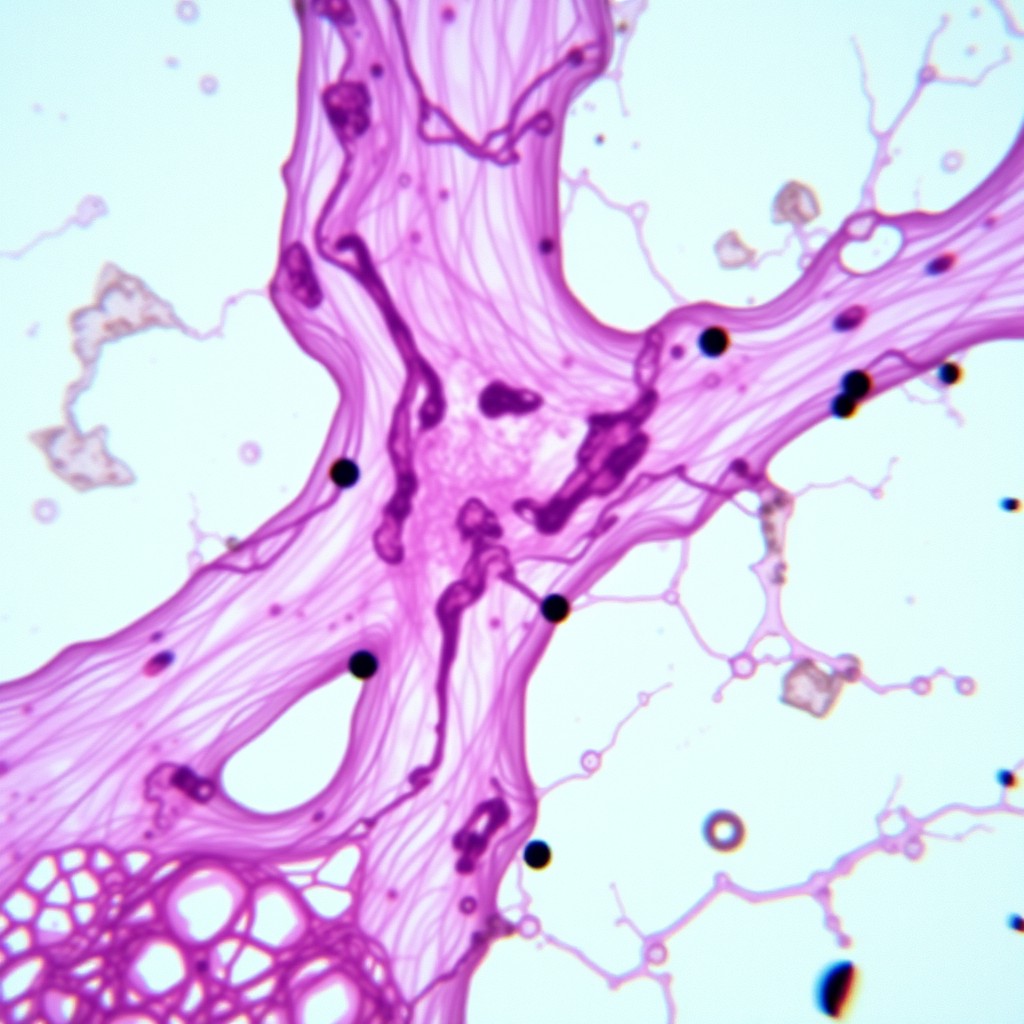
Market-Exclusive Value of NIH-Led Natural History Study
The National Institute of Dental and Craniofacial Research (NIDCR), under the NIH, is conducting the world's largest natural history study (NCT00001727) on patients with Polyostotic Fibrous Dysplasia (PFD) and McCune-Albright Syndrome (MAS). These are rare, intractable diseases caused by GNAS gene mutations that activate intracellular cAMP, leading to the replacement of normal bone with fibrous tissue. Clinical data for these conditions have been extremely limited. The long-term clinical protocol (NIH protocol 98-D-0145) developed by NIH has become a critical reference for pharmaceutical companies developing new drugs, as it can substitute for placebo-controlled data in clinical trials. This significantly reduces drug development costs and serves as a key asset for overcoming market entry barriers in the rare disease therapeutic space.
Potential of RANKL Inhibitor Denosumab and Challenges in Managing Side Effects
Based on the pathophysiological mechanisms of this study, Amgen's (AMGN) receptor activator of nuclear factor kappa-B ligand (RANKL) inhibitor, Denosumab, is being explored off-label and in clinical trials (NCT03571191) for therapeutic potential. Denosumab has shown remarkable efficacy in alleviating bone pain and inhibiting lesion growth by blocking osteoclast activity. However, a limitation has been identified: rebound hypercalcemia, a life-threatening condition that occurs when drug discontinuation leads to a rapid recovery of bone metabolism. In response, the industry is actively leveraging NIH's long-term tracking data to develop precise dosing regimens that maintain therapeutic effects while controlling side effects.
Diversified Targeted Drug Pipeline Beyond Simple Bone Resorption Inhibition
Drug development is also expanding to target hypophosphatemia and endocrine abnormalities. Ultragenyx's (RARE) FGF23-targeting antibody, Burosumab, has demonstrated excellent efficacy in Phase 2 trials (NCT05509595) by preventing bone softening through the prevention of phosphate loss. Additionally, Atossa Therapeutics' (ATOS) selective estrogen receptor modulator (SERM), (Z)-endoxifen, has received FDA's Rare Pediatric Disease Designation (RPDD) as a treatment for precocious puberty. These diverse approaches highlight the potential for precision medicine tailored to the genetic profiles of individual patients.
Commercial Value of the Rare Disease Market and Benefits of Priority Review Vouchers
The market for polyostotic fibrous dysplasia is projected to grow from $800 million in 2024 to $1.5 billion by 2035, at a CAGR of 5.89%. Atossa Therapeutics' RPDD designation could lead to the acquisition of a Priority Review Voucher (PRV) upon future approval, which could generate substantial financial value. PRVs are typically traded between $100 million and $250 million and serve as a reliable funding source for small biotechs. In conclusion, NIH's research is not confined to basic academic study but plays a powerful catalytic role in helping global pharmaceutical companies and biotechs establish a foothold in the high-margin rare disease drug market.
NIH's natural history study (NCT00001727) provides standard benchmarks in the rare disease space where control data is lacking, acting as a catalyst to accelerate the subsequent clinical development of competitive pipelines such as Amgen's (AMGN) Denosumab and Ultragenyx's (RARE) Burosumab. In the short term, Atossa Therapeutics' (ATOS) (Z)-endoxifen has demonstrated financial potential through its FDA Rare Pediatric Disease Designation, with the possibility of a $100 million to $250 million Priority Review Voucher (PRV) trade. In the medium to long term, the fibrous dysplasia therapeutic market is expected to grow to $1.5 billion by 2035, and competition for the development of curative therapies targeting GNAS mutations is expected to intensify beyond symptomatic relief. From the perspective of researchers and industry, the long-term accumulation of biomarker and clinical profile data has provided a strong foundation for maximizing the success rate of precision medicine-based clinical designs.
Source: ClinicalTrials.gov (api_ct)