EMA Approves GSK's Fendrix, a Hepatitis B Vaccine for Patients with Renal Insufficiency
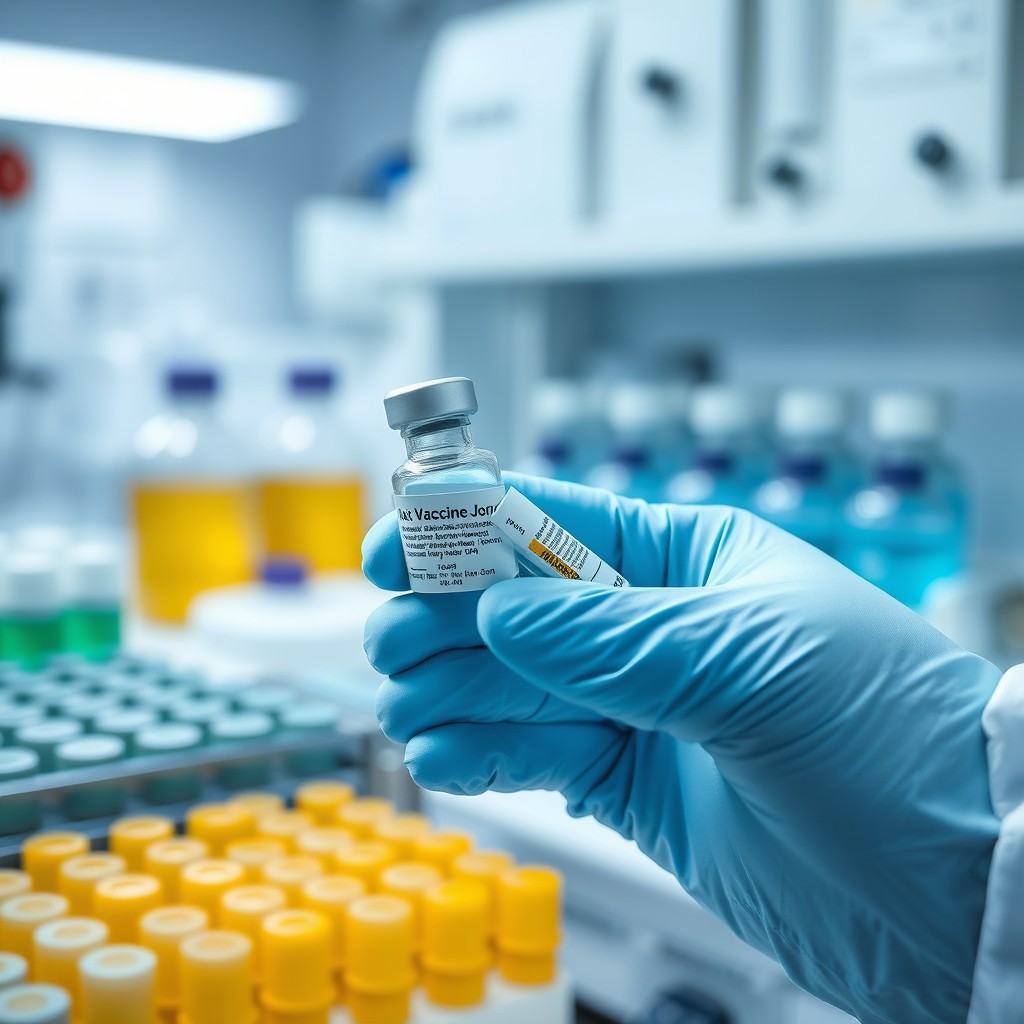
Novel Vaccine Approved for Patients with Renal Insufficiency
The European Medicines Agency (EMA) has granted marketing authorization for Fendrix, GSK's hepatitis B vaccine specifically designed for patients with renal insufficiency. Patients with chronic kidney disease and those undergoing hemodialysis often experience impaired immune responses, making it difficult for them to develop sufficient antibody levels with conventional vaccines. This approval provides a dedicated prophylactic option for this population. This represents a significant milestone in public health, as it signifies the regulatory recognition of the safety and efficacy of a vaccine tailored for a high-risk patient group. In clinical trials, Fendrix demonstrated a rapid and robust immune response in dialysis patients compared to standard vaccines.
The Value of GSK's Unique AS04 Adjuvant Technology
A key differentiator for Fendrix is its use of the AS04C adjuvant system, which combines monophosphoryl lipid A (MPL) and aluminum phosphate. Unlike conventional aluminum salt-based adjuvants, MPL stimulates Toll-like receptor 4 (TLR4), activating antigen-presenting cells, while aluminum phosphate enhances the persistence of the surface antigen (HBsAg), leading to a strong T-cell and B-cell immune response. This dual mechanism of action is crucial for boosting antibody formation in immunocompromised patients with renal insufficiency. GSK's vaccine platform technology has proven its technical superiority in a challenging target population.
Efficacy Demonstrated Through Phase 3 Data and Market Potential
In a Phase 3 clinical trial involving patients with chronic renal insufficiency, Fendrix achieved a high seroprotection rate of approximately 91% to 95% after a four-dose schedule (0, 1, 2, and 6 months). This is statistically superior to the 84% seroprotection rate observed with a double dose of Engerix-B, a standard hepatitis B vaccine, in the same patient population. By significantly reducing the risk of infection in patients undergoing hemodialysis, Fendrix has the potential to substantially reduce healthcare costs associated with hospitalizations and management of complications. These clinical strengths will undoubtedly be a strong asset in future national immunization program (NIP) and reimbursement processes.
Competitive Market Landscape and Commercial Prospects
The global hepatitis B vaccine market is currently valued at approximately USD 9 billion and is expected to reach this level by 2026. GSK holds a strong market position with its Engerix-B and Fendrix product lines. However, the market is facing increasing competition from newer vaccines such as Dynavax's CpG adjuvant-based Heplisav-B and VBI's PreHevbrio, a three-antigen vaccine. To address this, GSK is expected to maximize Fendrix's market share in the specialized renal insufficiency indication while strengthening the pricing and distribution competitiveness of its premium vaccine portfolio. In the long term, the continued demand for vaccines in immunocompromised patients will ensure a stable revenue stream.
Fendrix has successfully captured unmet medical needs in the specialized market for hepatitis B vaccines targeting patients with chronic renal insufficiency, having obtained regulatory approval after completing Phase 3 trials. From an investor's perspective, this approval signifies the establishment of a high-value, exclusive market segment within the global hepatitis B vaccine market, which is valued at approximately USD 9 billion annually. From the perspective of researchers and industry professionals, the introduction of the AS04 adjuvant technology has demonstrated the technical validity of the vaccine platform by achieving a seroprotection rate of over 91%. In the long term, it will be a key defense mechanism for GSK to maintain its market dominance in the face of strong competition from other pipelines, such as Dynavax's CpG adjuvant vaccine, Heplisav-B, and VBI's PreHevbrio.
Source: EMA (ema)