Rentomojo Leads the Subscription Economy with Surging Furniture Rental Demand in Major Indian Cities
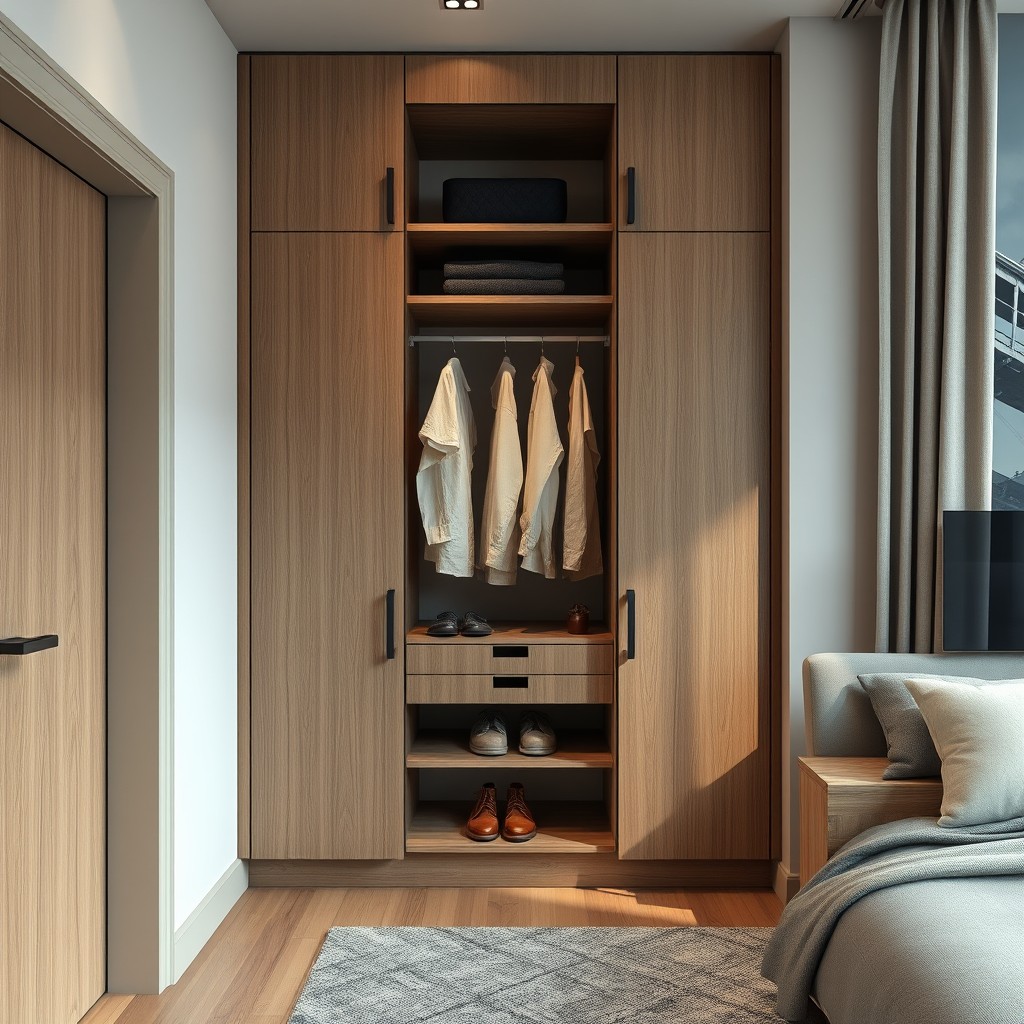
Shift from Ownership to Access in Consumption Patterns
In major Indian cities, tenants are rapidly transitioning from purchasing expensive furniture outright to opting for affordable monthly subscription plans. This shift is driven by the desire to avoid the upfront cost of up to ₹45,000 for initial purchases, with monthly rental plans offered at around ₹256. This signifies a structural change in the furniture market, moving from an ownership-based model to a subscription economy. This trend is accelerated by the consumption habits of young professionals who prioritize asset-light living.
Increasing Population Mobility and Logistical Flexibility
Major IT hubs like Hinjewadi and Gurgaon in India have a high proportion of tenants with short tenures (11-24 months). Moving heavy furniture frequently poses significant logistical challenges. Rentomojo's rental model, which offers free delivery and installation, is gaining popularity. Rentomojo further enhances convenience by providing free relocation services. Customers are essentially subscribing to an integrated logistics service that guarantees mobility, rather than just a product.
Overcoming Depreciation and Securing Financial Liquidity
Traditional furniture purchases suffer from high depreciation rates, making resale difficult and costly. Subscription rentals, on the other hand, transfer the depreciation risk to the platform and ensure individual financial liquidity. The monthly fee of around ₹256 eliminates the need for a large upfront investment and prevents unnecessary costs associated with moving. These benefits are driving consumers in emerging markets to prioritize efficient cash flow management over asset ownership.
Rentomojo's Market Dominance Ahead of IPO
This surge in furniture rental demand serves as a prime example of Rentomojo's growth potential as it prepares for its IPO on the Indian stock market. Rentomojo holds a market share of approximately 42% to 47% in the organized Indian furniture and appliance rental industry, making it the leading platform. The company has achieved ₹2.6596 billion in revenue for FY25 and has been profitable for three consecutive years, demonstrating the economic viability of its unique business model. Building on the success of furniture subscriptions, Rentomojo plans to expand into the appliance rental market, which is expected to grow to $6.2 billion.
Long-Term Prospects and Competitive Landscape of the Indian Subscription Economy
The Indian furniture rental market is projected to grow at a CAGR of 9.4% to reach $7 billion by 2030. To widen the gap with competitors like Furlenco and Cityfurnish, Rentomojo has introduced its own technology-based credit scoring model. This helps reduce delinquency and default risks, encourages repeat payments, and maximizes customer lifetime value (LTV). The establishment of this subscription economy will fundamentally change the revenue structure of the Indian retail distribution industry.
With the Indian furniture rental market projected to reach $7 billion by 2030, growing at a CAGR of 9.4%, Rentomojo's growth, holding over 40% market share, demonstrates the structural expansion of subscription-based lifestyles. In the short term, affordable entry barriers, such as the ₹256 monthly plan, and catering to the logistical needs of a highly mobile population are driving revenue and strengthening its position against competitors like Furlenco and Cityfurnish. In the medium to long term, the platform's consistent profitability over the past three years, as a marketed service, and its proprietary credit scoring model ensure financial stability and maximize IPO valuation. Specifically, achieving ₹2.6596 billion in revenue for FY25 demonstrates that the shift in consumer trends has fully established a sustainable revenue-generating platform business. This provides strong evidence for investors and industry participants that the traditional manufacturing and sales-oriented market structure is rapidly being replaced by a repetitive and predictable subscription service model.