Agepha Pharma's Colchicine Obtains Final EMA Marketing Authorization in Europe as Treatment for Residual Inflammation in Cardiovascular Disease
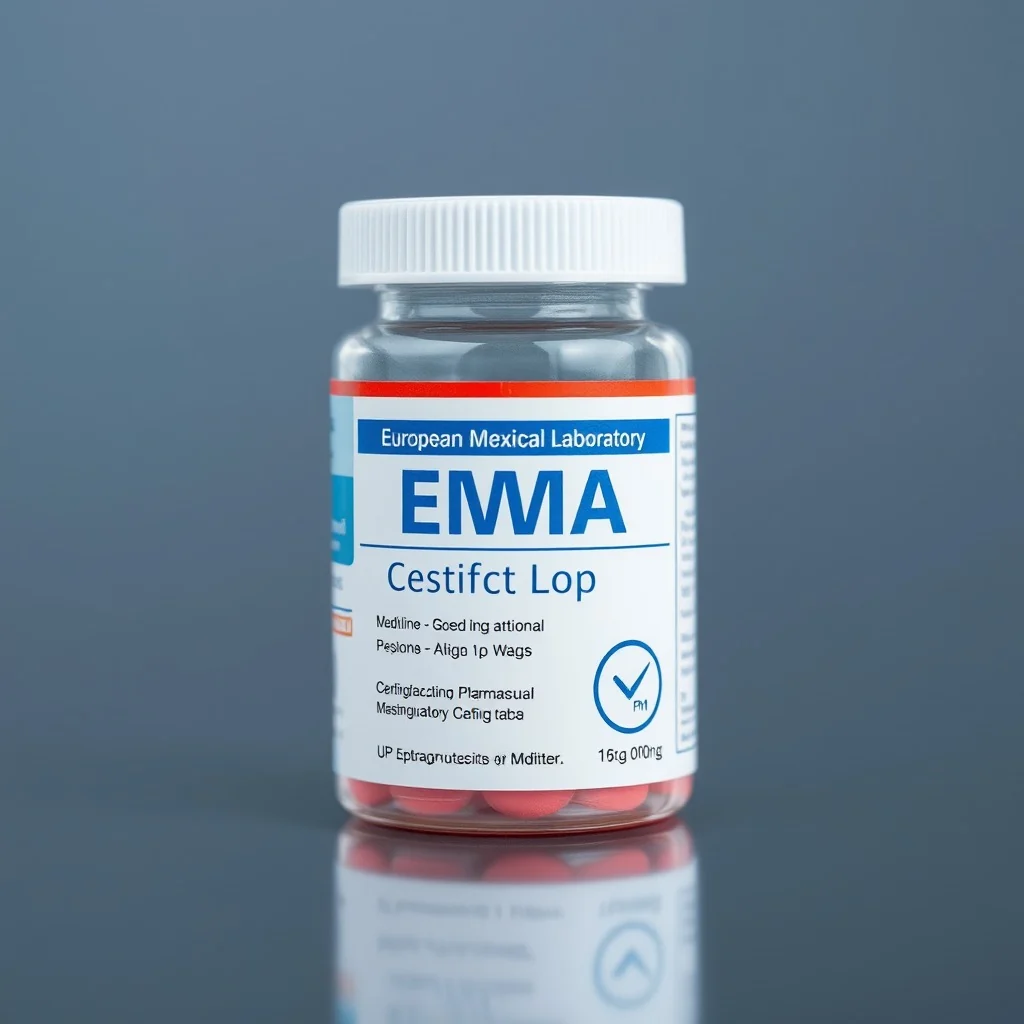
First European Approval for Anti-inflammatory Indication in Cardiovascular Disease
Agepha Pharma's oral low-dose colchicine formulation received final marketing authorization from the European Commission (EC) on July 24, 2026. This approval is for a hybrid medicine intended to prevent atherothrombosis in adult patients with stable coronary artery disease (CAD) for 6 months or longer. Following the FDA approval of LoDoCo in the US in 2023, it has also been successfully repurposed in Europe as a targeted therapy for residual inflammatory risk, shifting from its original indication as a gout treatment to a cardiovascular application.
Clinical Efficacy and Safety Demonstrated by LoDoCo2 Phase 3
The LoDoCo2 Phase 3 trial, which served as the basis for approval, involved 5,522 patients with chronic coronary artery disease who received low-dose colchicine (0.5 mg once daily) or placebo in addition to standard care. The primary composite endpoint was defined as cardiovascular death, spontaneous myocardial infarction, ischaemic stroke, and the incidence of coronary revascularization. Clinical results showed an event rate of 6.8% (187/2,762) in the Colchicine group, significantly reducing the risk of major cardiovascular events by 31% compared to 9.6% (264/2,760) in the placebo group (Hazard Ratio [HR] 0.69, 95% Confidence Interval [CI] 0.57–0.83, p<0.001). The mechanistic rationale for blocking interleukin-1 beta (IL-1β) production through microtubule polymerization inhibition and NLRP3 inflammasome suppression was confirmed in large-scale clinical trials.
Overcoming Limitations of Statin-Centered Therapy and Market Competitiveness
In the $300 billion annual coronary artery disease market, existing treatments like Atorvastatin or PCSK9 inhibitors (Repatha, Praluent) focus on LDL-C reduction, which has limitations in resolving residual inflammation. While Novartis's Ilaris failed to achieve commercialization despite the success of the CANTOS trial due to infection-related toxicity and high cost, low-dose colchicine has demonstrated both superior patient compliance and economic viability. It has secured a strong clinical first-mover advantage by entering the market ahead of next-generation oral NLRP3 inhibitor pipelines currently being developed by companies such as Roche.
Challenges in Reimbursement and Commercial Penetration Across Europe
Following the European marketing authorization, individual price negotiations and reimbursement procedures with health authorities in major countries, such as Germany and France, are intensifying. The key challenge lies in curbing the off-label prescription of existing low-cost generic colchicine for gout and persuading stakeholders of the exclusive value of the regulatory-approved 0.5mg fixed-dose formulation. Agepha Pharma plans to drive prescription expansion by inducing prescriptions based on high-sensitivity C-reactive protein (hs-CRP) testing—a cardiovascular biomarker—and seeking inclusion in the European Society of Cardiology (ESC) guidelines for secondary prevention.
This EMA approval formalizes the first cardiovascular anti-inflammatory treatment to transcend the limitations of lipid-lowering standard care in the $30 billion annual coronary artery disease market, backed by objective data from the LoDoCo2 Phase 3 trial involving 5,522 patients, which showed a 31% reduction in MACE incidence compared to placebo (HR 0.69). By successfully commercializing a once-daily oral low-dose formulation targeting the NLRP3-IL-1β inflammatory pathway—which had previously stalled for Novartis's Ilaris (canakinumab) due to infection toxicity and pricing barriers—this serves as a catalyst for accelerating research into new drugs targeting residual inflammation and biomarker (hs-CRP)-based patient selection models in the field of cardiovascular disease. In the short term, Agepha Pharma's enterprise value will be determined by its commercial execution in leading European countries, specifically in driving price negotiations and reimbursement listings while defending against the erosion of off-label prescriptions for existing low-cost generic gout drugs. In the long term, expanding co-prescription with statins and PCSK9 inhibitors (Repatha, Praluent) will achieve inclusion as a Class I recommendation in the European Society of Cardiology (ESC) guidelines, securing robust clinical data and a first-mover advantage over next-generation oral NLRP3 inhibitors currently under development by big pharma players such as Roche.