FDA Approves Glas's First Fruit-Flavored E-Cigarettes with Device Access Restriction Technology
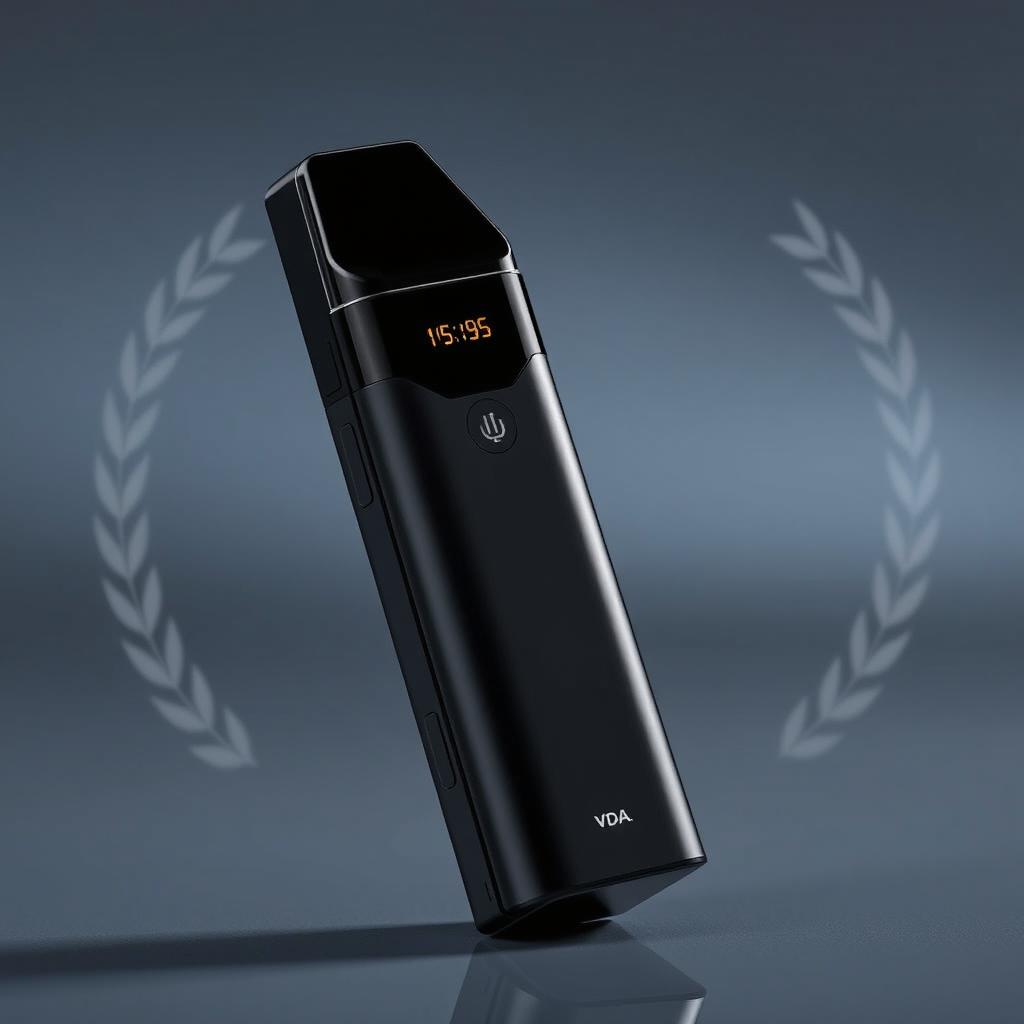
Background on the First-Ever Approval of Fruit-Flavored E-Cigarettes
The U.S. Food and Drug Administration (FDA) has granted marketing authorization, via the Premarket Tobacco Product Application (PMTA) pathway, for Glas Inc.'s electronic nicotine delivery system (ENDS) product, the 'Glas G2' device, and four accompanying proprietary e-liquid pods. This approval marks a significant milestone as it is the first time in U.S. history that fruit-flavored products, such as the mango-flavored 'Gold' and blueberry-flavored 'Sapphire,' which have been strictly prohibited due to concerns about youth misuse, have overcome regulatory hurdles. The FDA's rigorous scientific review concluded that the benefits of helping adult smokers switch from cigarettes outweigh the risks of youth initiation. This decision is expected to be a new turning point in the regulation of flavored e-cigarettes.
Device Access Restriction (DAR) Technology as a Key to Regulatory Approval
The core driver behind Glas's historic approval was the integration of advanced Device Access Restriction (DAR) technology into both the hardware and software of its products. The Glas G2 device features a system that requires users to complete adult verification using a government-issued ID and connect to a smartphone via Bluetooth before it can operate. Additionally, it incorporates a dual-security structure that requires users to pass random biometric authentication checks and automatically deactivates the device if the authenticated smartphone and device are separated. This technological safeguard is Glas's strategy to prevent unauthorized use by minors, and it played a crucial role in gaining the trust of regulatory authorities.
Changes in the U.S. E-Cigarette Market and Competitive Landscape
The U.S. e-cigarette (ENDS) market is currently estimated to be between $9 billion and $15.9 billion, with a high annual growth rate of 12% to 17%, making it an attractive bio and consumer tech sector. The market has been dominated by British American Tobacco (BAT, BTI)'s 'Vuse,' Altria (MO)'s 'NJOY,' and the privately held 'Juul Labs,' which have competed for market share with tobacco and menthol-flavored portfolios. With Glas entering the market with its exclusive fruit-flavored lineup and differentiated device locking technology, it is expected to disrupt the existing dominance of these major companies. In particular, the company is likely to rapidly capture adult smokers who prefer a variety of flavors, potentially accelerating market share adjustments.
Coexistence of R&D Challenges and Additional Regulatory Risks
This approval serves as a benchmark for other e-cigarette manufacturers preparing their Premarket Tobacco Product Applications (PMTAs), raising the bar for technical research and development (R&D) guidelines. Traditional hardware structures, such as simple child-resistant caps, are no longer sufficient; instead, the integration of high-cost technologies, such as mobile software integration and biometric authentication, is becoming a prerequisite for approval. However, public health organizations and U.S. senators have raised concerns about the effectiveness of these mobile authentication technologies, warning of the risk of failing to protect youth. Therefore, investors should closely monitor the legal challenges and potential legislative actions by political and health organizations, while also recognizing the potential for short-term gains from exclusive market entry.
The FDA's approval of Glas's products represents a pivotal decision in the U.S. e-cigarette (ENDS) market, which is valued at approximately $9 billion to $15.9 billion annually, as it marks the first-ever approval of fruit-flavored products for sale. Glas's Device Access Restriction (DAR) technology, which requires smartphone Bluetooth connectivity and biometric authentication, offers a technological solution to prevent youth access and is poised to become a new standard for regulatory approvals. This will lead to a significant shift in the competitive landscape, with Glas emerging as a strong competitor to established players such as British American Tobacco (BTI)'s 'Vuse' and Altria (MO)'s 'NJOY,' which have traditionally focused on tobacco and menthol flavors. In the short term, Glas is expected to experience a surge in revenue from the exclusive sale of flavored products. However, in the long term, there are both opportunities and risks, including increased R&D costs for competitors developing mobile solutions and potential legal challenges from health organizations regarding the effectiveness of biometric authentication. This approval demonstrates how the convergence of bio-tech and digital healthcare security technologies can overcome rigid regulatory barriers and create new consumer product categories.