Baxter (BAX) Announces Voluntary Nationwide Recall of Cefazolin Antibiotic Injection Due to Particulate Matter
Manufacturing Defect and Voluntary Recall Action
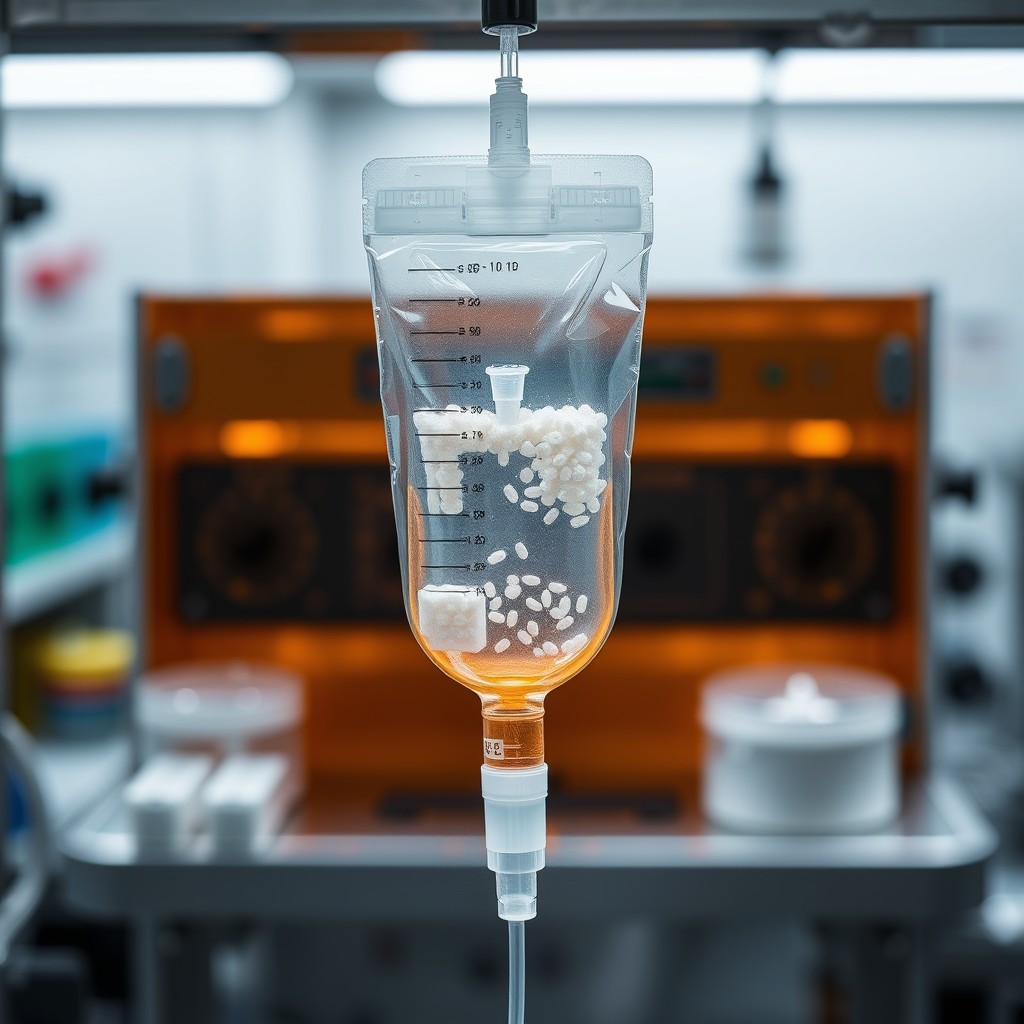
Baxter International (BAX), a global healthcare company, has decided to voluntarily recall a specific lot (Lot LD175708, expiration date February 14, 2027) of Cefazolin in Dextrose Injection, USP, on July 24, 2026. This action was taken proactively after particulate matter, identified as fragments of cardboard, was discovered within the intravenous (IV) bag. The presence of packaging material in the solution indicates a potential technical flaw in the raw material management or the aseptic barrier during the filling process. Although the recall is voluntary, it represents a significant quality issue that could impact the reliability of the aseptic injectable manufacturing process.
Clinical Risks Associated with Particulate Contamination and Target Mechanism
Cefazolin is a first-generation cephalosporin antibiotic that inhibits penicillin-binding proteins (PBPs), which are essential for bacterial cell wall synthesis, thereby exerting a bactericidal effect. As a widely prescribed prophylactic antibiotic for surgical procedures, even minor defects can have serious consequences for patient safety. If the contaminated solution is administered directly into a patient's vein, the physical particles could cause vascular embolism or trigger a systemic inflammatory response. Although no adverse events have been reported to date, the recall could lead to reduced prescribing in clinical settings, necessitating immediate risk management.
Compliance with cGMP and Potential FDA Regulatory Risks
The recalled product is a premixed IV bag using Baxter's patented GALAXY container technology, which offers convenient handling. The fact that cardboard debris entered during the automated filling or aseptic packaging process suggests a potential violation of the U.S. Food and Drug Administration's (FDA) Current Good Manufacturing Practice (cGMP) regulations. A subsequent on-site inspection by the FDA could result in a warning letter, which would significantly reduce the efficiency of the manufacturing facility. Such stringent regulatory scrutiny could lead to increased manufacturing costs and administrative expenses, requiring careful monitoring.
$3.8 Billion Antibiotic Market and Competitive Landscape
The global market for cefazolin injections was approximately $3.8 billion in 2025 and is expected to reach $5.9 billion in 2033, with an annual growth rate of 5.8%. In this mature generic market, companies such as Pfizer (PFE) and B. Braun Medical are engaged in intense competition for market share. Although the recall is limited to a single lot and is unlikely to cause an immediate supply shortage, hospitals may switch to alternative suppliers to ensure a stable supply. If Baxter fails to clearly explain the cause of the contamination, it could lead to a long-term decline in brand trust and market share.
The Cefazolin in Dextrose Injection, USP, subject to this voluntary recall, is an already approved generic antibiotic and has been a key revenue driver for Baxter in the global cefazolin market, which was valued at $3.8 billion in 2025. In the short term, the recall will result in increased costs related to the disposal of the affected lot (Lot LD175708) and logistics, which will have a slight negative impact on the company's quarterly operating profit margin. However, in the medium to long term, it could provide an opportunity for competitors such as Pfizer (PFE) and B. Braun Medical to gain an advantage in hospital supply contract bids. In particular, the incident involving the introduction of physical contaminants in a sterile manufacturing facility could trigger a rigorous cGMP on-site inspection by the FDA and lead to additional production line repair costs, thereby reducing operating leverage. Therefore, industry stakeholders should closely monitor Baxter's ability to demonstrate the safety of its proprietary GALAXY container production process and the changes in market share of competitors seeking to capitalize on unmet demand.