HelloNation Releases Investment Returns and Market Impact Analysis of Exterior Material Replacement for UHQ Construction and Home Value Enhancement
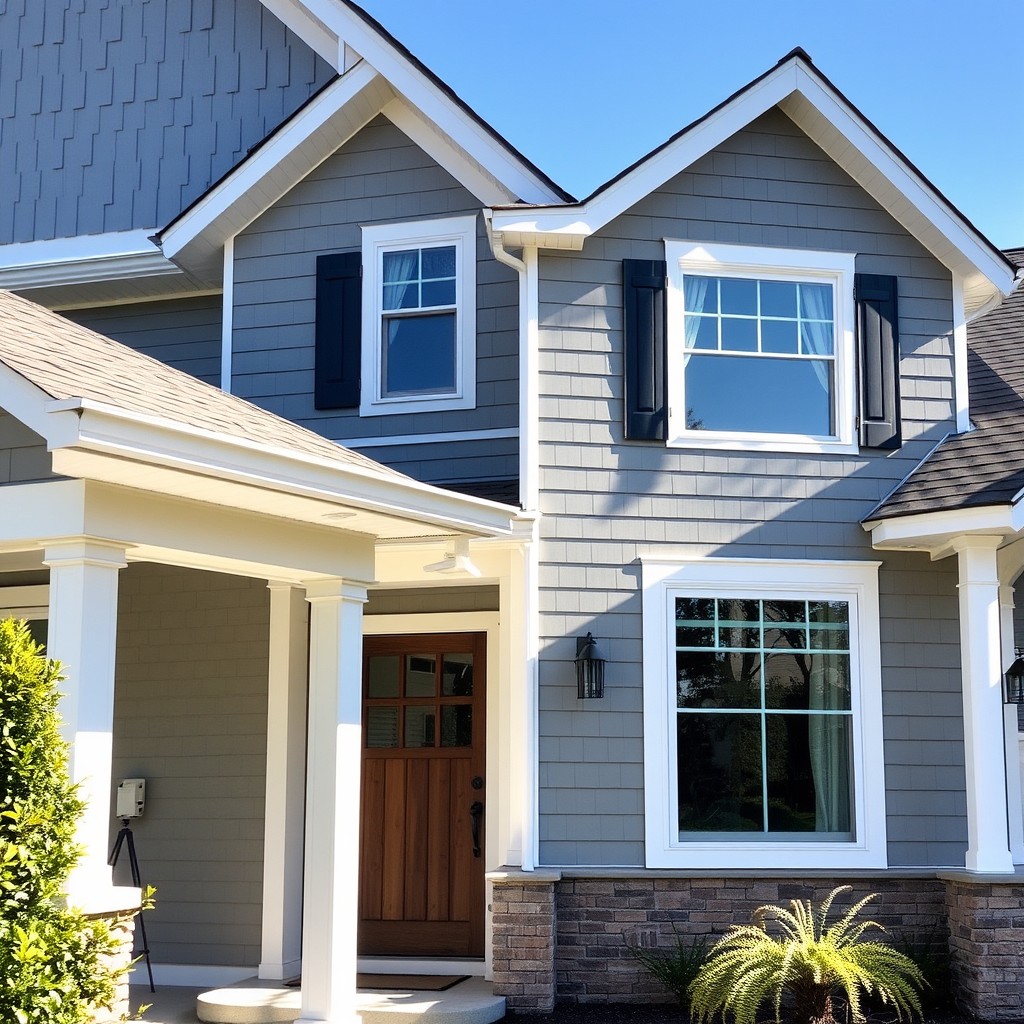
Key Variable in the North American Home Renovation Market: Analysis of Exterior Material Replacement Return on Investment (ROI)
HelloNation, a media platform, has partnered with UHQ Construction, a professional contractor based in Carmel, Indiana, to conduct a detailed analysis of the return on investment (ROI) of exterior (Siding) replacement in the U.S. home renovation market. This report, designed to provide guidelines for homeowners and investors to maximize asset value, demonstrates that improving curb appeal goes beyond mere aesthetics and drives actual resale value. In particular, amid fluctuating interest rates and real estate market trends in the U.S., exterior remodeling is being recognized as a strategic portfolio management tool to enhance the asset protection of homes. This can be used as an important risk management indicator not only for individual homeowners considering home improvements but also for institutional investors managing large real estate portfolios.
Economics of Material Selection: Market Competition Between Vinyl and Fiber Cement
The U.S. exterior material market, currently estimated at $18.7 billion to $28.5 billion, is accelerating the shift towards more durable materials. While vinyl siding has traditionally held a large market share due to its affordability and ease of maintenance, fiber cement siding, which offers fire resistance and a more sophisticated appearance, is rapidly expanding its market presence. Leading companies such as James Hardie (JHX) and LP Building Solutions (LPX) are strengthening their high-value-added fiber cement and engineered wood product lines to increase unit prices and expand margins. Investors should pay close attention to the adoption rate of premium materials that can maximize long-term residual value, rather than short-term cost-saving vinyl materials.
Impact of Installation Quality on Asset Value Protection
Cory Getz, owner of UHQ Construction and a field expert, warns that even the use of high-quality, expensive materials can lead to investment failure if the final installation and installation quality are not guaranteed. Poor installation can allow moisture to penetrate the exterior, causing corrosion of the wooden structure and leading to significant additional maintenance costs in the medium to long term. This ultimately acts as a critical risk factor that undermines the asset's resale value and final ROI, making it difficult to recover the investment. Therefore, homeowners and construction managers should apply strict quality control standards, prioritizing warranty terms and the precision installation capabilities of skilled technicians over simple price comparisons.
Correlation Between Energy Efficiency and Reduced Home Sales Cycle
High-quality insulated siding significantly enhances insulation performance, directly reducing heating and cooling costs. With growing concerns about climate change and rising energy costs, demand for eco-friendly, high-efficiency homes continues to grow, which effectively shortens the time a home remains on the market. As real estate buyers begin to use environmental and sustainability indicators as key criteria for purchasing decisions, energy-efficient properties are creating a virtuous cycle in which they are sold more quickly and at higher premium prices. In this way, eco-friendly remodeling investments provide multifaceted financial benefits, including immediate savings on management costs and increased liquidity upon sale.
The U.S. exterior (Siding) remodeling market is valued at $18.7 billion to $28.5 billion in 2024, with leading companies such as James Hardie Industries (JHX) and LP Building Solutions (LPX) driving competition with high-margin fiber cement materials. Although not a direct subject of clinical phase analysis for biopharmaceuticals, the verification of energy efficiency and fire safety of commercially available exterior materials directly drives demand for real estate remodeling in the short term. In the medium to long term, the market is expected to expand to approximately $32 billion by 2035, with an average annual growth rate of 4-5%, and continued demand for modernizing older homes and stricter insulation standards will support sustained price increases. Accordingly, investors and real estate developers should incorporate skilled on-site construction quality management systems, such as UHQ Construction, as a key criterion for asset risk assessment and develop strategies to minimize post-construction maintenance risks due to poor workmanship.
Source: PR Newswire Biotech (rss_filter)