Optimal Balance Recalls Glutathione Injection Due to Endotoxin Detection in 14 States
Nationwide Recall at Patient Level
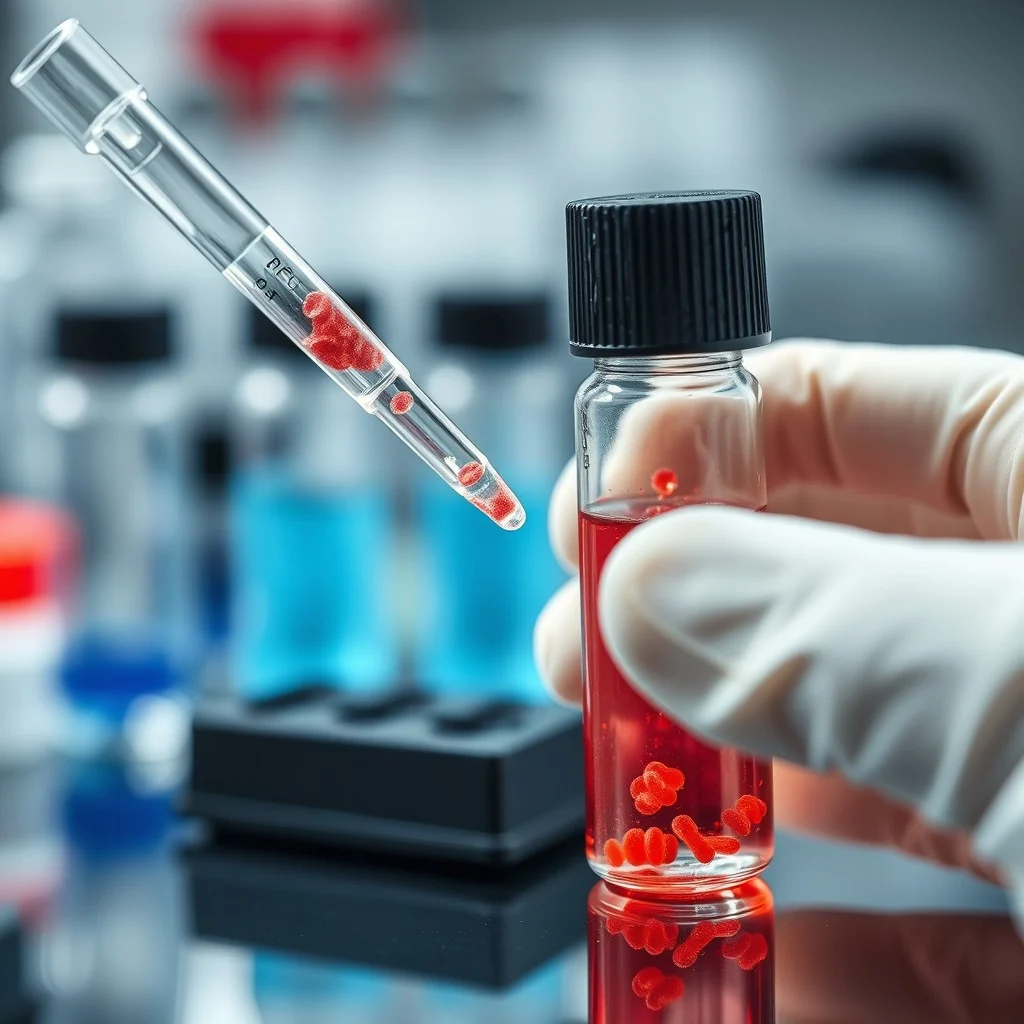
Optimal Balance Pharmacy LLC voluntarily recalled one lot, LG342009076, of its compounded Glutathione Injection 200mg/mL 30mL multi-dose vials at the patient level on August 19, 2026. The expiration date was October 4, 2026, and the product was distributed in 14 states including Arizona, Florida, New York, and Texas. The FDA posted the company's announcement on August 20. Internal testing revealed bacterial endotoxin levels exceeding the standard, and adverse events such as fever, chills, severe headache, nausea, vomiting, pain, and allergic reactions were reported, indicating a significant quality incident beyond a routine preventive measure.
Product and Regulatory Status
The brand is Optimal Balance Pharmacy Glutathione Injection, with the active ingredient being reduced L-glutathione, an endogenous tripeptide composed of glutamic acid, cysteine, and glycine. It is not a drug that blocks a single receptor but functions as a substrate for glutathione peroxidase, playing a role in cellular redox balance and the removal of reactive oxygen species. This product is a compounded drug under 503A, sold based on individual prescriptions. It is classified as Marketed but is not an FDA-approved drug or biologic, and it is not subject to FDA, EMA, or PMDA approval dates or advisory committee (AdComm) reviews.
Repeated Endotoxin Risks
The direct competitive product is VMC Compounded Glutathione 200mg/mL multi-dose vials from Victory Medical Center Pharmacy, which also recalled lots 1980571, 1981940, and 1984345 on August 5, 2026, due to elevated endotoxin levels. VMC reported adverse events including fever, chills, tachycardia, blood pressure changes, and injection site reactions. In 2019, the FDA confirmed cases of patient hospitalization following injections with contaminated L-glutathione raw material and endotoxin levels up to five times the acceptable limit. The repeated issues with the same concentration from different compounding pharmacies highlight the importance of not only final sterility testing but also raw material grade, supply chain suitability, and in-process contamination control.
Market and Competitive Landscape
Glutathione is marketed for antioxidant, immune, and liver detoxification support, but there is no FDA-approved standard treatment for aesthetic or wellness intravenous use. Acetylcysteine, an FDA-approved drug, is used as a glutathione precursor for specific indications such as acetaminophen overdose. Fortune Business Insights estimates the global glutathione market to reach USD 272.88 million in 2025, USD 294.44 million in 2026, and USD 540.96 million in 2034, including pharmaceuticals, dietary supplements, and cosmetics. This recall may damage the trust in injectable compounded products, potentially shifting demand toward oral glutathione, acetylcysteine, and large compounding entities with robust quality systems.
In the short term, the recall of one lot distributed in 14 states and the reported adverse events are clear negatives for Optimal Balance Pharmacy, increasing costs related to refunds, recalls, testing, and regulatory responses. In the USD 294.44 million global glutathione market in 2026, this incident and the August 5 recall of a similarly concentrated product by Victory Medical Center Pharmacy are quality discount factors for the injectable compounded market. Researchers must evaluate the clinical evidence for 503A formulations, which are Marketed but not FDA-approved, separately from approved drugs. The industry is expected to increase investment in USP 85 endotoxin testing, suitability of injectable raw materials, and process validation for multi-dose vials. In the medium to long term, compounding entities with scale and quality systems, oral formulations, and acetylcysteine suppliers with approved indications may gain relative benefits.