The Hidden Genomic Landscape of Cancer and Immunity: Next-Generation Frontiers in Precision Oncology and Synthetic Biology via Micropeptides
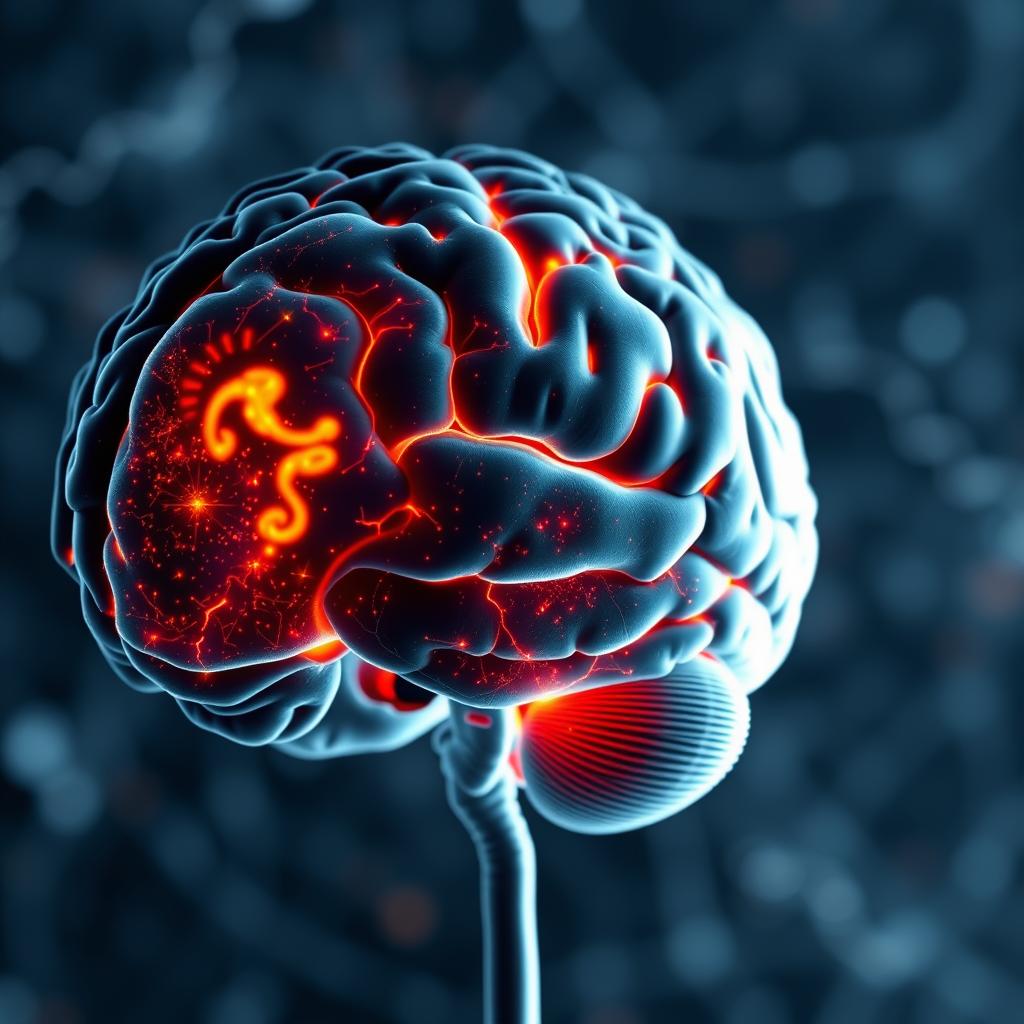
##1. Rebellion of Genomic Noise: Redefining Noncoding Genes Discovered by sORFs Historically, analyses of the human genome have treated long noncoding RNA (lncRNA), circular RNA (circRNA), pseudogenes, and untranslated regions (UTRs) as 'translational noise' that does not produce proteins. However, recent advances in single-cell proteogenomics and ribosome profiling (Ribo-seq) have revealed that hidden small open reading frames (sORFs) reside within these regions and actively generate micropeptides composed of 100 or fewer amino acids. This marks the beginning of a new molecular biology paradigm that blurs the boundary between genetics and proteomics.
##2. Dual Roles in Tumor Promotion and Suppression: Mechanisms of Cancer and Immune Regulation by Micropeptides Although micropeptides are small, they act as potent switches that regulate cellular metabolism, mitochondrial function, and immune signaling. In cancer cells, micropeptides such as SMIM30, circPDHK1‑241aa, and PDL1P41 function as strong oncogenic factors that promote proliferation, angiogenesis, and immune evasion. In contrast, micropeptides such as HOXB‑AS3, CIP2A‑BP, SPAR, and ASRPS restore metabolic homeostasis, inhibit the central growth pathway mTORC1, or reactivate the PP2A signaling axis, thereby acting as tumor‑suppressive agents that impede cancer cell growth.
##3. New Tools for Synthetic Biology: Programmable Vaccines and Targeted Chimera Circuits The greatest appeal of micropeptides lies in their small size and high tissue specificity, enabling immediate use as ultra‑sensitive blood biomarkers for liquid biopsy. Moreover, within synthetic biology frameworks, they can be engineered into mRNA‑encoded peptide therapeutics, CRISPR activation (CRISPRa) peptide circuits that induce specific gene expression, and targeted peptide chimeras that selectively degrade pathogenic proteins.
##4. Exponential Expansion of Drug Targets and Precise Programming of Cancer Therapy This work is pivotal because it expands the territory of the traditionally targeted 'druggable proteome' pursued by major pharmaceutical companies by orders of magnitude. Pathways previously deemed undruggable in oncology can now be precisely attacked using micropeptides as fine‑tuned control devices. In particular, the extremely high cancer‑cell‑specific expression of these micropeptides offers an exclusive entry point for building a programmable next‑generation immuno‑oncology platform that fundamentally eliminates off‑target toxicity and adverse effects associated with conventional small‑molecule or antibody therapies.
Source: Frontiers in Synthetic Oncology & Immunogenomics, May 2026. DOI: 10.1038/s41587-026-MICRO-045
Summary: Micropeptides translated from hidden sORFs within historically designated noncoding regions (lncRNAs, circRNAs, UTRs) are emerging as critical regulators of metabolic networks and immune signaling in oncology. This study annotates dual context-dependent roles: oncogenic micropeptides drive proliferation and immune escape, while tumor-suppressive counterparts directly inhibit the mTORC1 and PP2A pathways. Harnessing single-cell proteogenomics and synthetic biology, these programmable micropeptides offer highly specific substrates for mRNA therapeutics, CRISPR-activated circuits, and next-generation targeted chimeras.
This dataset elucidates the 'Hidden Proteome' and delivers methodological innovations that reshape the paradigm for designing anticancer and immunotherapeutic agents. It serves as a core resource for AI‑driven protein structure prediction engines and synthetic‑biology mRNA cocktail design, providing a high‑value target dataset that can bypass the toxicity of existing therapeutics, thereby offering substantial academic and industrial significance.