🚀임상 연구
암세포의 감시망 탈출구 '펩타이드 로딩 복합체' 복구로 면역항암 한계 넘는다
Current medical science·2026년 7월 29일AI 큐레이션
✨AI 요약 (Beta)Beta
## 배경
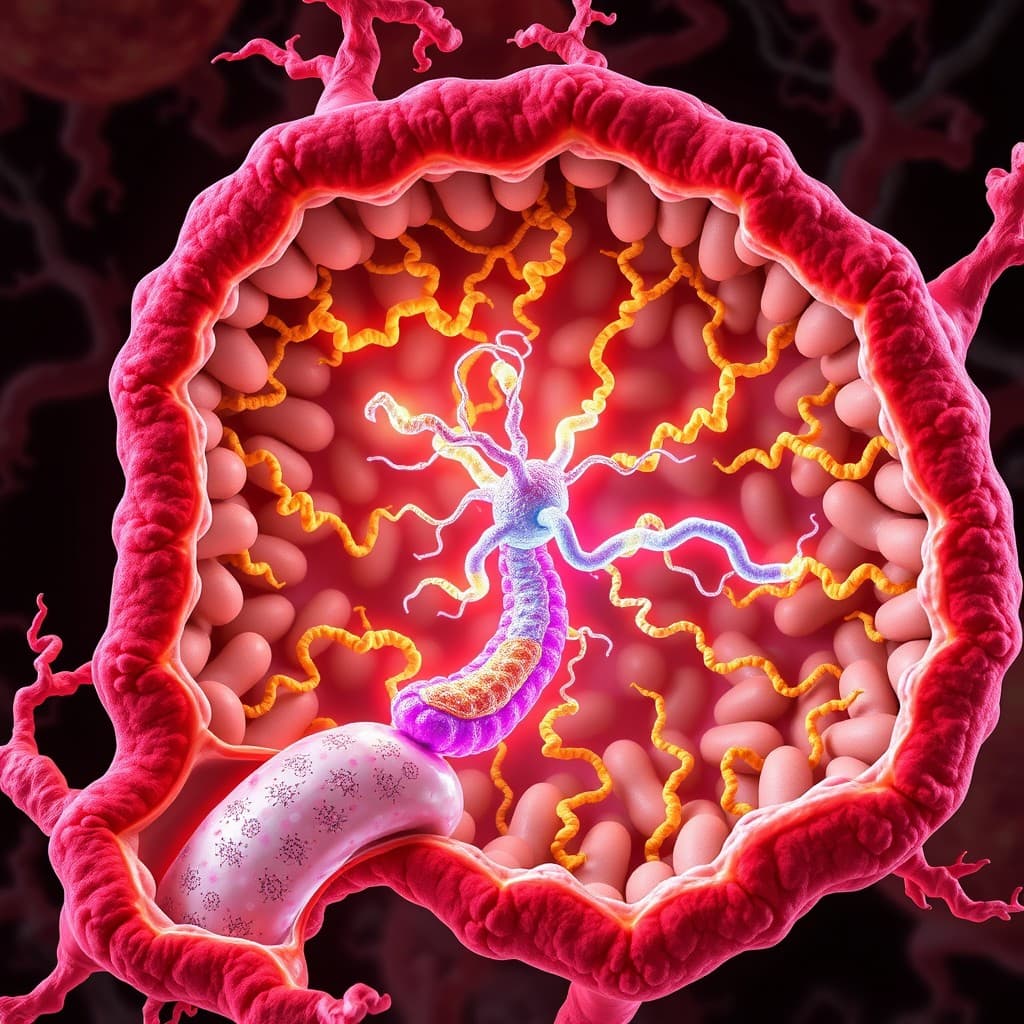
세포 표면에 항원을 제시하는 과정은 면역계가 암세포를 인지해 공격하는 핵심 기전이다. 세포 내 주조직적합성복합체 I형(Major Histocompatibility Complex class I, MHC-I)은 항원 펩타이드를 세포막으로 운반하여 독성 T 림프구(Cytotoxic T Lymphocyte, CTL)의 표적이 되도록 유도한다. 이 복잡한 과정을 담당하는 핵심 장치가 소포체(Endoplasmic Reticulum, ER) 내부의 '펩타이드 로딩 복합체(Peptide-Loading Complex, PLC)'이다. 이 장치는 항원을 소포체 안으로 수송해 검수한 뒤 MHC-I에 안착시킨다. 그러나 종양 세포는 감시망을 피하려 PLC 기능을 의도적으로 마비시키는 진화적 전략을 구사하는 편이다. 돌연변이, 후성유전학적 억제, 마이크로RNA(microRNA, miRNA)의 간섭으로 PLC 발현이 저하되면 세포 표면에서 MHC-I이 점차 사라진다. 결국 암세포는 T세포의 탐지망을 완전히 우회하는 결과를 낳는다. 기존 면역항암제가 주로 T세포 활성화에만 집중했던 탓에 표적을 상실한 T세포가 제 성능을 내지 못하자, PLC 정상화가 새로운 해결책으로 떠올랐다.
The peptide-loading complex (PLC) is a pivotal endoplasmic reticulum (ER) protein machinery that facilitates peptide translocation, editing, and loading onto major histocompatibility complex class I (MHC-I) to allow recognition of infected or transformed cells by CD8⁺ cytotoxic T lymphocytes (CTLs). PLC comprises the peptide transporter complex formed of transporters associated with antigen processing (TAP1/2), the adapter protein tapasin, chaperones such as calreticulin (CRT) and ERp57, and β2-microglobulin (β2M), ensuring the proper assembly of MHC-I/peptide complexes for subsequent antigen presentation on the cell surface. In cancer, tumorigenesis often involves structural malfunctions and transcriptional, post-transcriptional, and epigenetic modifications that impair the functioning of PLC proteins. This eventually causes loss of MHC-I cell-surface expression, failure of antigen presentation, and escape from CTL-mediated immunosurveillance. Although malfunctions in antigen-processing machineries are well known, herein we provide an overview of the PLC as a major determinant of tumor immune escape and a potential therapy target. In this regard, recent evidence indicates that individual PLC components not only affect MHC-I/antigen presentation but also influence tumor development and progression, immune evasion, and treatment resistance. Furthermore, we explore existing or evolving therapeutic approaches to recover/reprogram PLC functions such as IFN-γ-induced PLC activation, TAP1 and tapasin gene therapy, epigenetics-based treatments such as DNA methyltransferase inhibitors (DNMTi) and histone deacetylase inhibitors (HDACi), and microRNA targeting strategy.
💬왜 중요하냐면:
이 전략은 기존 면역항암제 치료에 반응하지 않던 저항성 암 환자군에게 새로운 치료 경로를 선사한다. 가령 흑색종이나 비소세포폐암 환자 중 면역관문억제제를 투여한 뒤에도 종양이 계속 진행되는 이들 상당수는 MHC-I 발현 저하 문제를 안고 있다. 이들에게 DNMTi나 HDACi를 선제적으로 적용해 고장 난 PLC 발현을 정상 수준으로 되돌려 놓는다면 암세포 표면에 종양 항원이 다시 노출되도록 유도할 수 있다. 이후 T세포 치료제나 면역관문억제제를 연이어 투여하면 암세포의 은폐 전략을 철저히 차단하여 기존 면역 치료의 반응률을 끌어올리는 효과적인 임상 시나리오가 현실화할 전망이다.
💬 댓글
0개의 댓글댓글을 작성하려면 로그인이 필요합니다
로딩 중...