패혈증 관련 뇌병증에서 미세아교세포 재프로그래밍: 병리적 기능장애에서 치료적 회복까지
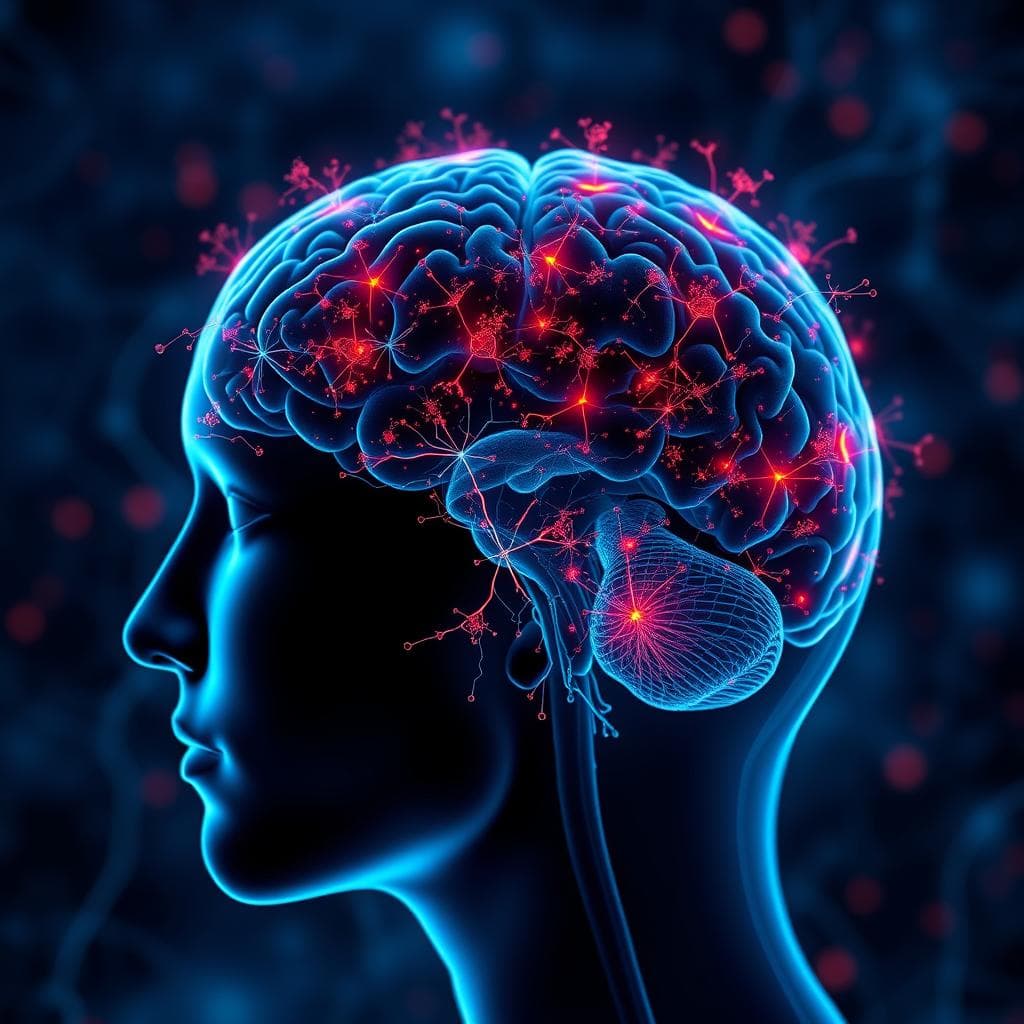
미세아교세포, CNS의 경계선 위에서
패혈증 관련 뇌병증(SAE)에서 미세아교세포가 보호자로서의 역할을 잃고 독성 효과를 내는 변화를 겪어요. 이 과정이 어떻게 전신 염증에서 뇌 내부의 병리적 상태로 전이되는지가 큰 도전 과제였죠.
단일세포 다중오믹스와 기능유전학이 열어가는 새 길
연구자들은 단일세포 다중오믹스(single-cell multi-omics)와 기능유전학(functional genetics)을 결합해 미세아교세포의 전환 메커니즘을 추적했어요. 이들은 미세아교세포가 과도하게 활성화되는 것뿐 아니라, 대사와 신호 전달 경로가 재프로그래밍되는 과정을 발견했죠. 이런 인과관계를 밝히면서 치료 표적을 구체화할 수 있었어요.
미래 치료 전략, 재프로그래밍으로의 전환
리뷰는 병리적 상태 재프로그래밍(pathological state reprogramming) 프레임워크를 제안해요. 이를 통해 미세아교세포를 다시 보호적인 phenotypic 상태로 돌려놓는 전략을 설계할 수 있겠다는 기대가 생겨요. 궁극적으로 SAE 환자들의 인지 회복과 사망률 감소에 기여할 수 있을 거예요.
앞으로의 의미 또는 전망
이 접근법이 실제 임상에서 검증된다면, 패혈증 환자들의 뇌 기능 손상을 예방하거나 회복시키는 새로운 치료 패러다임이 열릴 것으로 보여요. 또한 다른 신경 염증 질환에도 적용 가능성이 커서, 뇌 면역 조절의 새로운 장을 열게 될 거예요.
Microglia, being the resident immunological sentinels of the central nervous system (CNS), play a critical role in both the pathogenesis and progression of CNS health and disease. In sepsis-associated encephalopathy (SAE), it is increasingly evident that the phenotype and function of microglia may change from a neuroprotective phenotype to a potential effector phenotype with neurotoxic potential. However, the exact mechanism by which this change is mediated remains to be understood. The current body of research is mostly focused on the hyperactivation of microglia, while the mechanism by which a pathological state develops from a systemic response remains to be understood. This limits the ability to design precise therapeutic strategies to target this cell population. In this regard, a framework of pathological state reprogramming is proposed to systematically evaluate potential mechanisms of microglial dysfunction in SAE. In this review, we will attempt to integrate the body of knowledge from single cell multi-omics, functional genetics, and
패혈증 환자들이 겪는 급성 뇌 기능 저하와 장기 인지 손상의 원인을 정확히 파악하지 못해 치료가 어려웠어요. 이 연구가 제시하는 미세아교세포 재프로그래밍 전략은 우리 일상에서 뇌 건강을 지키는 새로운 치료 옵션이 될 수 있거든요.