암 약물 저항성의 후생유전학적 변형: 메커니즘과 치료 전략
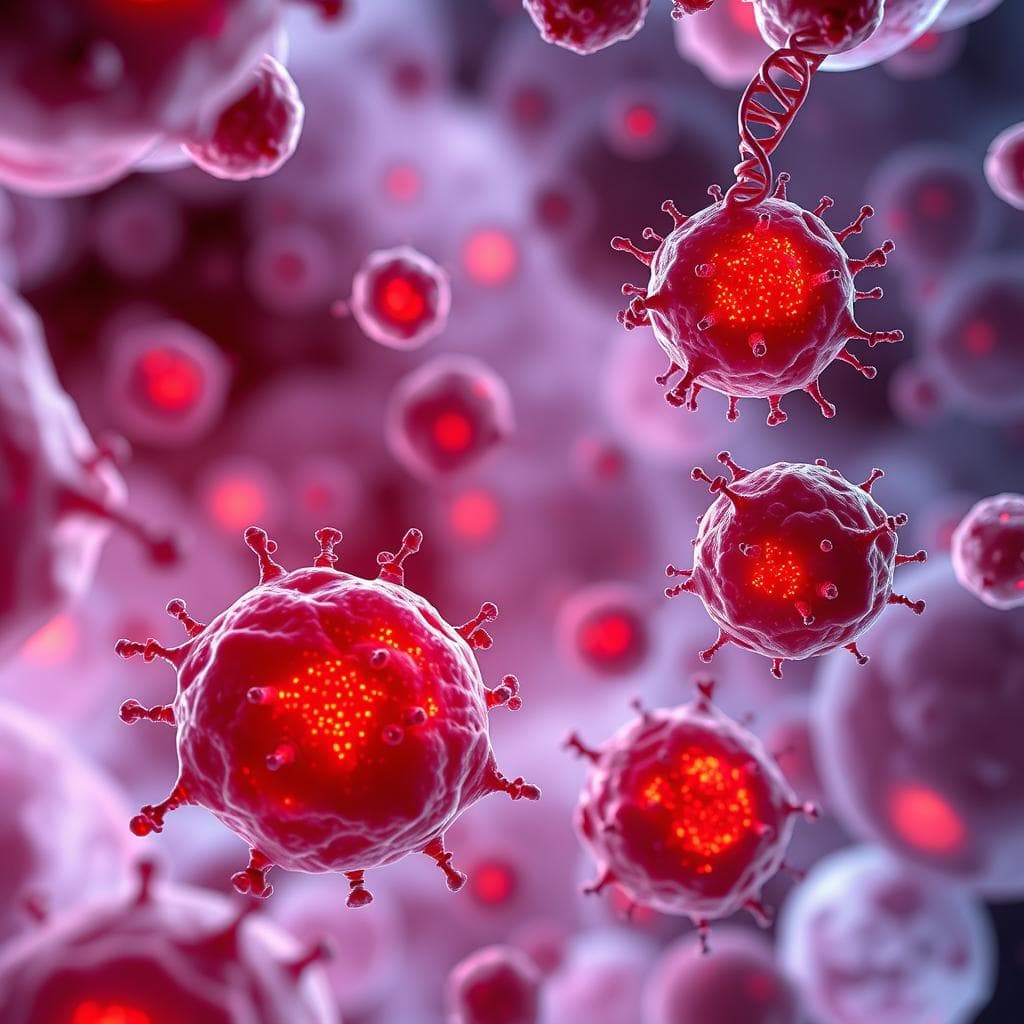
치료 저항의 숨은 적, 후생유전학
암 치료가 실패하고 재발하는 주된 이유가 치료 저항이라는 걸 아시나요? 기존에 생각하던 유전적 변이만으로는 설명이 부족하고, 치료 스트레스에 따라 세포가 유동적으로 변한다는 사실이 밝혀졌어요. 후생유전학적 풍경(epigenetic landscape)이라는 개념으로 이 복잡한 적응 과정을 설명하려는 시도가 시작됐어요.
에피제네틱 층의 협업과 새로운 통합 모델
DNA 메틸화(DNA methylation), 히스톤 변형(histone modification), 크로마틴 접근성(chromatin accessibility), 비암호화 RNA(non-coding RNA) 등이 서로 얽혀 종양 억제 유전자를 잠재우고 생존 경로를 활성화해요. 연구진은 이들 층이 어떻게 동시에 작동해 약물 내성을 유도하는지 실험과 데이터 통합을 통해 인과관계를 밝히고, ‘후생유전학적 풍경’ 모델로 통합했어요.
미래 치료 전략의 방향성
이 통합 모델을 바탕으로 후생유전학 억제제와 기존 치료를 병행하면 내성 세포를 재프로그래밍할 수 있다는 기대가 생겼어요. 앞으로는 맞춤형 에피제네틱 치료가 암 재발을 막는 핵심 열쇠가 될 전망이에요.
Therapeutic resistance remains a major cause of treatment failure and disease recurrence across cancer types, considerably limiting the long-term efficacy of chemotherapies, targeted therapies, and immunotherapies. Growing evidence indicates that resistance cannot be fully explained by static genetic alterations but rather arises from dynamic and reversible adaptive processes. Epigenetic regulation governs transcriptional plasticity, cellular state transitions, and tumor heterogeneity under therapeutic stress. Alterations in DNA methylation, histone modifications, chromatin accessibility, and non-coding RNA networks enable cancer cells to silence tumor suppressor programs, activate compensatory survival pathways, acquire stem cell-like drug-tolerant persister states, and remodel the tumor immune microenvironment. These mechanisms often act in a coordinated manner to form a dynamic regulatory system that supports adaptive resistance. However, current studies have frequently focused on individual epigenetic regulators and have lacked an integrated framework to explain how epigenetic plasticity collectively drives therapeutic resistance. In this review, we deconstruct cancer therapy resistance using the conceptual framework of the "epigenetic landscape." We summarize the molecular functions and crosstalk among the major epigenetic layers and describe how this integrated network sustains key resistance-associated phenotypes. We also discuss emerging therapeutic strategies that target epigenetic plasticity, including epigenetic drugs, targeted protein degradation, epigenetic editing, and rational combination therapies. Overall, this review provides a systematic framework for understanding epigenetically mediated therapy resistance and highlights epigenetic plasticity as a therapeutic vulnerability for developing durable cancer treatments.
암 치료 실패의 근본 원인인 약물 내성을 근본적으로 억제할 수 있는 방법을 제시해요. 이는 환자들의 생존율을 높이고, 우리 모두가 보다 오래 건강한 삶을 영위할 수 있게 해줘요.