🔥게임체인저
병원 감염의 최종 병기, CRAB를 무력화하는 3중 융합 전략: 파지-펩타이드-CRISPR의 시너지
Journal of microbiological methods·2026년 5월 14일AI 큐레이션
✨AI 요약 (Beta)Beta
##1. 아시네토박터 바우마니: 현대 의학의 사각지대에 숨은 '슈퍼버그'
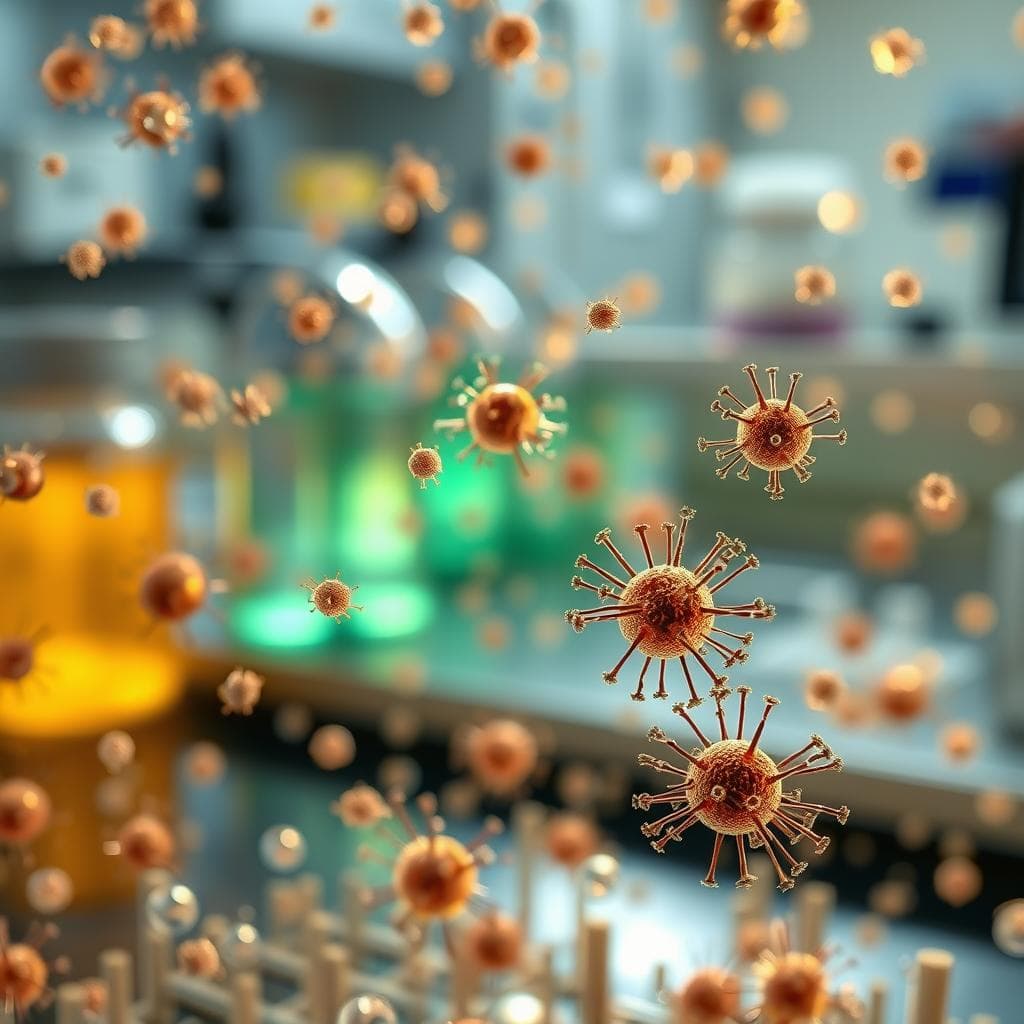
아시네토박터 바우마니(Acinetobacter baumannii)는 병원 내 환경에서 끈질기게 생존하며 면역력이 저하된 환자에게 인공호흡기 관련 폐렴이나 패혈증을 일으키는 치명적인 병원균입니다. 특히 카바페넴계 항생제에도 반응하지 않는 다제내성(CRAB) 균주의 확산은 기존의 항생제 파이프라인을 완전히 무력화시켰습니다. 이 균은 강력한 바이오필름을 형성하여 물리적 세척과 항생제 침투를 동시에 방어하며, 쿼럼 센싱(Quorum sensing)을 통해 주변 균주들과 내성 유전자를 실시간으로 공유하는 극악의 생존력을 자랑합니다.
##2. 파지-항균 펩타이드 시너지: 세포막 파괴와 효소 무력화의 협공
연구팀은 단일 약물의 한계를 극복하기 위해 파지 치료(Phage therapy)와 항균 펩타이드(AMP)를 결합한 시너지 모델을 제시했습니다. 파지는 특정 세균의 수용체에 결합해 세포를 직접 용해(Lysis)시키며, 이 과정에서 발생하는 미세한 균열을 항균 펩타이드가 공략합니다. 특히 이번 연구에서 사용된 특정 펩타이드는 세균의 방어 기전인 베타락테이스(Beta-lactamase) 효소 활성을 직접 억제하여, 기존에 내성으로 쓰지 못했던 항생제들이 다시 살균력을 회복하게 만드는 '항생제 재감수성(Re-sensitization)' 효과를 입증했습니다.
##3. CRISPR-Cas 및 나노 전달체: 유전적 내성 코드의 정밀 삭제
단순한 살균을 넘어, 연구팀은 CRISPR-Cas 유전체 편집 기술을 나노입자(Nanoparticle)에 탑재하여 균주 내부로 침투시켰습니다. 이 지능형 나노 시스템은 다제내성을 유발하는 핵심 유전자 서열을 인식하여 정밀하게 절단함으로써 세균의 내성 기전을 유전적으로 영구 결손시킵니다. 이는 세균이 죽지 않더라도 내성을 상실하게 만들어, 일반적인 항생제 투여만으로도 손쉽게 감염을 제어할 수 있는 상태로 변환시키는 혁신적인 접근입니다.
##4. 중환자실 감염 관리의 패러다임 시프트와 보건 경제적 가치
이 연구가 결정적으로 중요한 이유는 항생제 이후 시대(Post-antibiotic era)의 가장 강력한 대안인 '융합 치료'의 실효성을 증명했기 때문입니다. 특히 병원 내 집단 감염의 주범인 CRAB를 타깃으로 파지, 펩타이드, 유전자 편집을 통합 운용함으로써 치료 성공률을 획기적으로 높이고 입원 기간을 단축할 수 있는 근거를 마련했습니다. 이는 고위험군 환자의 생존율 향상은 물론, 연간 수조 원에 달하는 다제내성균 관리 비용을 절감할 수 있는 보건 의료 체계의 핵심적 전환점이 될 전망입니다
Acinetobacter baumannii has emerged as an agent of potentially life-threatening nosocomial infections, particularly among immunocompromised patients. Its ability to rapidly acquire resistance genes has made traditional antibiotic therapies progressively ineffective. The spread of bacterial contamination in hospital facilities increased due to lack of awareness among healthcare workers and improper management/handling of infectious samples. The persistence of pathogen in the hospital environment is increased with its ability to form biofilms, quorum sensing, and virulence factors. The infections caused by these agents are increasing in incidence and severity; necessitating efficient and timely management. This review highlights the epidemiological trends and molecular mechanisms involved in the pathogenesis and resistance of A. baumannii. The key resistance mechanisms that the organism possess include the activity of efflux pumps, beta-lactamase enzymes, and mobile genetic elements. This review discusses emerging treatment strategies - such as phage therapy - antimicrobial peptides, CRISPR-Cas-based technologies, and nanotechnology-enabled drug delivery- highlighting their respective benefits and limitations, with special emphasis on innovations like phage-antibiotic synergy and precision genome editing approaches. Despite promising advances, challenges remain, including the emergence of resistance pathogen, limited clinical scalability, and concern regarding the safety and toxicity of novel treatment options. Addressing these issues require focus on molecular insights of resistance mechanisms, the development of effective alternative therapies, and implementation of preventive strategies such as vaccines. Furthermore, execution of global antimicrobial stewardship program and robust surveillance systems are critical for effectively control and manage the threat posed by A. baumannii.
💬왜 중요하냐면:
이 데이터는 '물리적 살균(Phage)', '생화학적 억제(AMP)', '유전적 재프로그래밍(CRISPR)'을 하나의 타임라인으로 엮어낸 다중 모달 항균 전략을 제시했습니다. 특히 병원 내 감염 관리의 최대 난제인 CRAB를 타깃으로 하여 실제 임상 현장에서 적용 가능한 '항생제 시너지 프로토콜'의 기전적 토대를 세웠다는 데 독보적인 학술적 의의가 있습니다.
💬 댓글
0개의 댓글댓글을 작성하려면 로그인이 필요합니다
로딩 중...