😮반전 연구
퇴행성 뇌질환 핵심 표적 PGC-1α, 단순한 신경 보호 스위치 아닌 상황별 미세 조정기였다
Molecular neurobiology·2026년 7월 11일AI 큐레이션
✨AI 요약 (Beta)Beta
## 배경
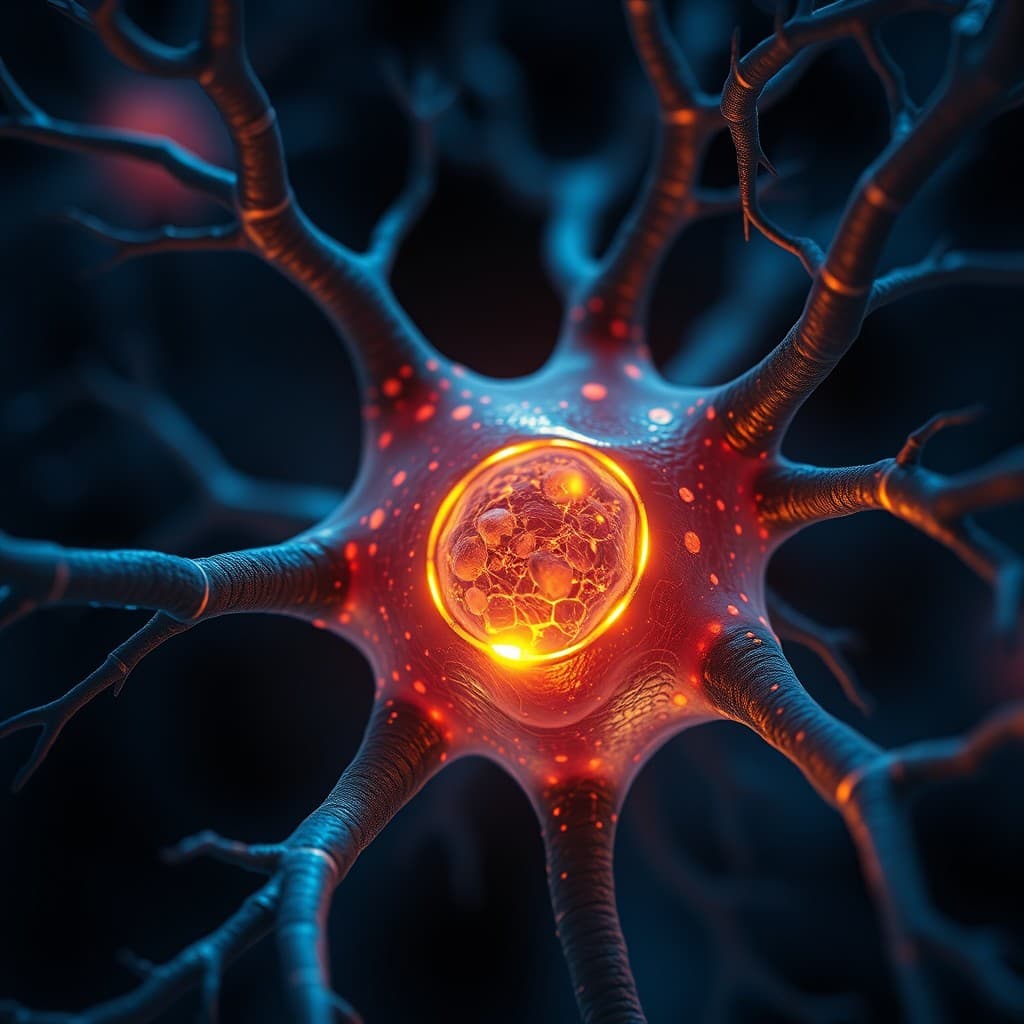
알츠하이머병(Alzheimer's disease, AD), 파킨슨병(Parkinson's disease, PD), 헌팅턴병(Huntington's disease, HD) 등 퇴행성 뇌질환(Neurodegenerative disease, NDD)은 인류가 극복하지 못한 대표적 난치병으로 분류된다. 이들 질환은 신경세포 내 미토콘드리아 기능 장애, 산화 스트레스, 단백질 항상성 붕괴, 신경 염증, 시냅스 손상 등이 복합적으로 작용하며 세포 사멸을 유도하는 특징이 핵심이다. 특히 세포의 에너지 발전소인 미토콘드리아의 기능 저하는 신경세포 손상의 핵심 원인으로 꼽힌다.
학계는 미토콘드리아 생성을 촉진하고 세포 대사를 조절하는 단백질인 페록시좀 증식체 활성화 수용체 감마 공동활성제 1-알파(Peroxisome proliferator-activated receptor gamma coactivator 1-alpha, PGC-1α)에 오랫동안 주목해 왔다. 유전체 분석과 병리 연구에서 PGC-1α 조절 경로가 여러 뇌질환 환자군에서 공통으로 손상됐음이 밝혀진 이유에서다. 이에 PGC-1α를 인위적으로 활성화해 미토콘드리아 기능을 되살리려는 연구가 활발히 이어졌다. 그러나 상당수 치료제 후보물질이 임상 단계에서 효과를 입증하지 못하면서 단순한 활성화 전략의 한계가 드러나기 시작했다.
## 핵심 발견
최근 발표된 통합 종설 연구는 기존의 여러 연구 결과를 분석해 PGC-1α가 단순한 온·오프(On/Off) 스위치가 아니라 상황에 따라 유연하게 반응하는 가변형 저항기(Rheostat) 모델로 작동함을 규명했다. PGC-1α는 미토콘드리아 생합성과 산화적 인산화뿐 아니라 항산화 방어, 손상된 미토콘드리아를 선택적으로 제거하는 미토파지(Mitophagy), 자가포식(Autophagy), 단백질 품질 관리, 염증 균형 조절 등 세포 생존 전반을 지원한다.
하지만 치료 효과는 세포 환경에 따라 판이하게 나타난다. 일부 실험 모델에서 PGC-1α 신호 전달 체계의 복원은 미토콘드리아 기능을 향상시키고 신경세포 손상을 줄였으나, 광범위하거나 지속적인 활성화, 혹은 세포 유형을 고려하지 않은 과발현은 독성을 유발하거나 이로운 결과를 내지 못했다. 연구진은 PGC-1α의 치료 효능이 세포 유형, 동형 단백질(Isoform) 종류, 질병 단계, 그리고 활성화 강도에 결정적으로 의존함을 규명해 냈다.
## 의미와 전망
이번 발견은 정밀 제어가 왜 중요한지 명확히 보여준다. 학계와 바이오 업계는 세포 투과 능력을 키운 소분자 화합물 조절제, 유전자 전달 기술, 안티센스 기반 접근법, 나노입자 전달 시스템 등 다양한 방법으로 PGC-1α 제어에 도전하는 추세다. 다만 이들 전략은 대부분 전임상 단계에 머물러 있어 실제 임상에 적용하기까지 해결해야 할 과제가 많다. 뇌세포로의 약물 전달 효율을 높이고, 특정 세포만 표적하는 선택성을 확보하는 한편, 전신 투여 시 발생 가능한 안전성 문제를 제어해야 하기 때문이다.
안전한 임상 적용을 위해서는 장기적 안전성 데이터를 먼저 축적해야 한다. 말초 조직의 부작용을 통제하면서 뇌 내 표적이 제대로 결합했는지 판별할 수 있는 바이오마커 발굴도 필수 과제다. 이러한 치료 표적의 인과적 검증과 미세 조절 조건이 확립된다면, PGC-1α는 다중 병리가 얽힌 퇴행성 뇌질환을 해결하는 중요한 열쇠가 될 수 있다.
Neurodegenerative diseases (NDDs) are progressive disorders in which mitochondrial dysfunction, oxidative stress, proteostasis failure, neuroinflammation, and synaptic damage progressively interact to drive neuronal vulnerability. Peroxisome proliferator-activated receptor gamma coactivator 1-alpha (PGC-1α) links metabolic adaptation to stress-response pathways that are repeatedly disrupted in Alzheimer's disease, Parkinson's disease, Huntington's disease, polyglutamine (PolyQ) disorders, and amyotrophic lateral sclerosis. Rather than providing only an updated catalogue of studies, this review organizes the evidence into a cross-disease rheostat framework that explains why PGC-1α modulation is protective in some settings but incomplete or maladaptive in others. Current findings indicate that PGC-1α supports mitochondrial biogenesis, oxidative phosphorylation, antioxidant defense, mitophagy, autophagy, protein quality control, and inflammatory balance. However, its effects are highly context dependent. In several models, restoration of PGC-1α-related signaling improves mitochondrial function and reduces neuronal injury, whereas broad, sustained, or cell-inappropriate activation may produce limited benefit or undesirable outcomes. These observations suggest that PGC-1α is not a simple neuroprotective switch, but a flexible regulatory hub whose therapeutic value depends on cell type, isoform profile, disease stage, and activation level. Emerging strategies, including small-molecule modulators, gene delivery, antisense-based approaches, nanoparticle systems, and exercise-related interventions, remain largely preclinical and face major barriers related to CNS delivery, pathway selectivity, dose and cell-type control, peripheral safety, and validated target-engagement biomarkers. Nevertheless, clinical translation requires stronger causal validation, reliable target-engagement biomarkers, selective delivery methods, and long-term safety assessment. Future research should
💬왜 중요하냐면:
본 연구는 퇴행성 뇌질환 치료제 개발에 임하는 바이오 의약품 기업들에 구체적인 설계 기준을 제시한다. 기존처럼 온몸의 PGC-1α 발현을 강하게 자극하는 방식은 심각한 부작용을 초래할 수 있으므로, 특정 뇌 신경세포에만 결합하는 정밀 표적 약물 전달체 개발이 최우선 과제다. 예컨대 파킨슨병 환자의 흑질부 도파민 신경세포에만 선택적으로 PGC-1α 활성제를 전달하는 나노입자 기술이 주요 시나리오로 부각된다. 동시에 임상시험 과정에서 환자의 뇌 내 표적 결합 여부를 혈액이나 뇌척수액 검사로 모니터링할 수 있는 동반 진단 기술의 확보가 치료 성공률을 높이는 핵심 열쇠가 될 전망이다.
💬 댓글
0개의 댓글댓글을 작성하려면 로그인이 필요합니다
로딩 중...